Table of Contents
How Indoor Heating Affects Your Oral Health: Virginia Guide
Valentine’s Day is right around the corner, and I’m already seeing my patients at Broadway Dental Associates start to worry.
But most of my patients don’t realize that comforting warmth you’re pumping through your vents? It’s quietly wreaking havoc on your teeth and gums.
I’m Dr. Quurat-ul-Anne Yousaf from Broadway Dental Associates, and I’ve noticed a pattern every winter.
Around late November through March, I see a spike in patients complaining about dry mouth, sudden tooth sensitivity, and even more cavities than usual.
At first, I thought it was just the holiday sugar overload. But after years of practice in Falls Church, I’ve connected the dots, and the culprit is hiding in plain sight.
The Hidden Cost of Staying Warm
Modern heating systems are brilliant at keeping us comfortable, but they come with a price tag your utility bill doesn’t show. When your furnace kicks on, it’s not just warming the air, it’s stripping moisture from it.
We’re talking about humidity levels that can plummet by 30% to 50%. Your living room can actually become drier than a desert.
So what happens when you’re breathing this bone-dry air for hours on end, especially while sleeping? Your body tries to adapt.
Your nasal passages get irritated and congested, forcing you to breathe through your mouth instead. And that’s where things go sideways for your oral health.
Why Mouth Breathing Is Your Smile's Worst Enemy
Let me explain something important: your nose is basically a built-in humidifier and air filter.
When you breathe through your nose, the air gets warmed, filtered, and moistened before it reaches your lungs. It’s a pretty elegant system.
But your mouth? Not so much. When you breathe through your mouth, especially during those long winter nights, dry air rushes directly into your oral cavity.
It evaporates whatever saliva you have left, essentially air-drying your teeth for eight hours straight.
I call this “winter mouth,” and it creates the perfect environment for all sorts of dental problems.

What Happens When Your Mouth Runs Dry
Saliva is one of those things you don’t appreciate until it’s gone. It’s not just spit, it’s liquid protection for your teeth.
Saliva neutralizes acids, washes away food debris, and even helps remineralize your enamel.
When indoor heating causes xerostomia (that’s the fancy medical term for dry mouth), you lose all these benefits.
Here’s what I see happening in my Falls Church patients every winter:
Cavity Central: Without enough saliva to buffer pH levels, acid-producing bacteria like Streptococcus mutans throw a party on your teeth. The result? More cavities, even in patients who normally have pristine checkups.
Angry Gums: Dry gums become inflamed, swollen, and irritated. Gingivitis loves a moisture-free environment. I’ve had patients come in shocked that their gums are bleeding during brushing when they’ve never had that problem before.
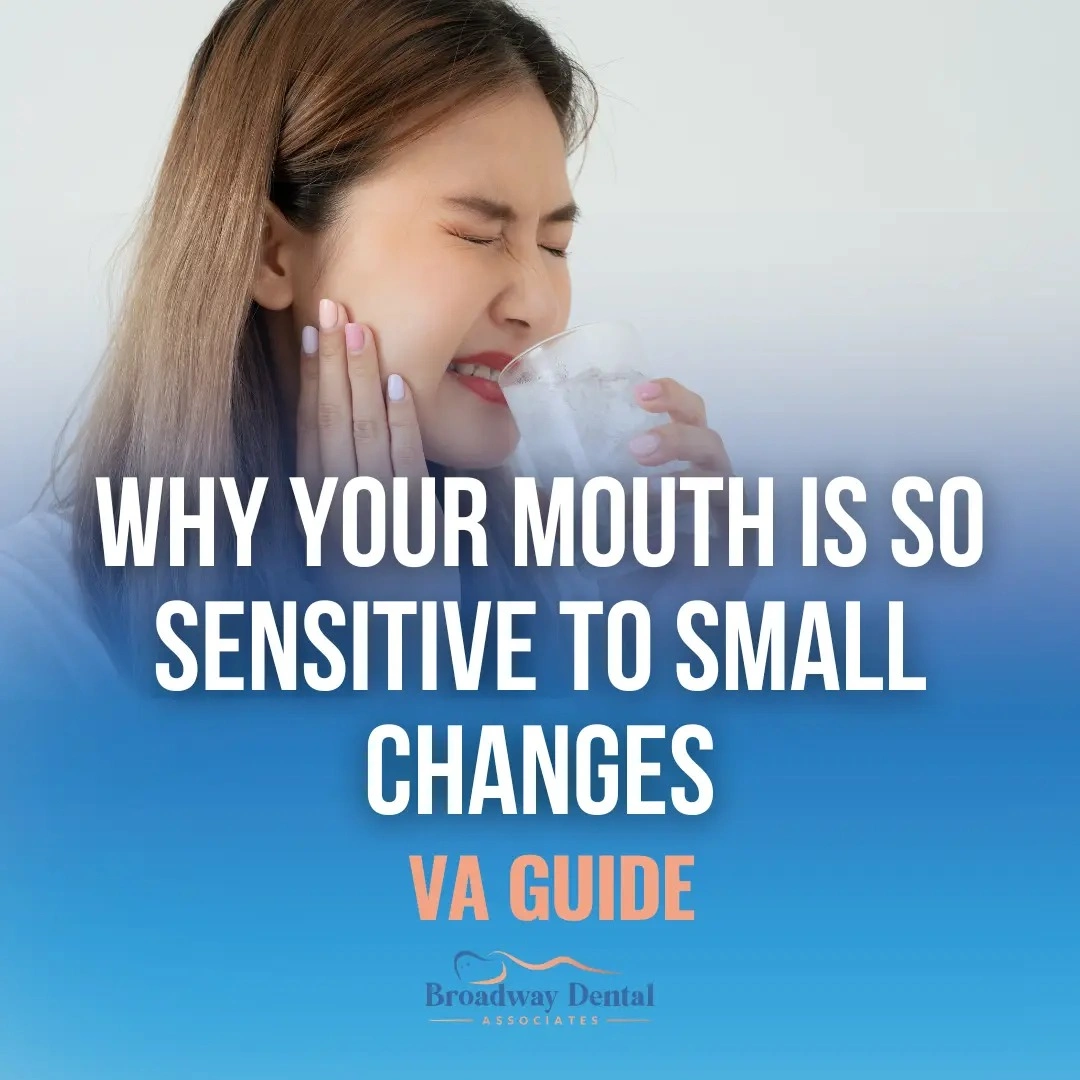
The Sensitivity Surprise: Ever take a sip of hot coffee or bite into ice cream and feel that sharp, electric jolt? When your enamel thins from acid exposure and your gums recede slightly, your teeth become hypersensitive to temperature changes.
Winter heating accelerates this process.
Persistent Bad Breath: When saliva flow decreases, sulfur compounds accumulate in your mouth. No amount of mints will cover up that smell, trust me, patients have tried.
Table Preview: How Indoor Heating Affects Oral Health
| Oral Health Issue | How Indoor Heating Contributes |
|---|---|
| Tooth Decay | Reduced saliva fails to neutralize acids; bacteria thrive in dry conditions |
| Gum Disease | Insufficient moisture leads to inflammation and plaque buildup |
| Tooth Sensitivity | Enamel erosion and gum recession worsen in dry environments |
| Bad Breath | Bacteria proliferate without saliva to wash them away |
| Cracked Lips | Low humidity causes painful chapping and mouth irritation |
Simple Ways to Fight Back This Winter
The good news? You don’t have to choose between staying warm and keeping your smile healthy. I share these strategies with our Broadway Dental Associates patients every season:
Humidify Your Bedroom: Get a cool-mist humidifier and aim for 40-50% humidity. Run it while you sleep. Your mouth, skin, and sinuses will thank you. This single change makes a massive difference.
Sip Water All Day Long: I know you’ve heard this a million times, but constant hydration beats chugging a gallon at once. Keep a water bottle at your desk, in your car, on your nightstand. Frequent sips maintain moisture better than occasional gulps.
Chew Sugar-Free Gum with Xylitol: Xylitol is a game-changer. It not only stimulates saliva production but also inhibits bacterial growth. I recommend keeping a pack in your purse or desk drawer.
Encourage Nasal Breathing: If you’re waking up with a parched mouth, you’re probably mouth-breathing at night. Try saline nasal sprays before bed or use nasal strips to keep airways open.
Stick to Your Routine: Winter is not the time to slack on oral hygiene. Brush twice daily with fluoride toothpaste, floss religiously, and consider using a mouth rinse formulated for dry mouth.
The professional dental cleaning we offer can also help prevent plaque buildup that accelerates during winter.
Cut Back on Dehydrating Drinks: I know you probably love coffee as much as anyone, but caffeine and alcohol are diuretics. They pull moisture from your body, including your mouth.
If you can’t give them up (I’m not asking you to), just drink extra water to compensate.

When Winter Mouth Becomes a Bigger Problem
Sometimes dry mouth isn’t just about environmental factors.
If you’re experiencing persistent symptoms despite trying these interventions, it could signal underlying conditions like diabetes, autoimmune disorders, or medication side effects.
That’s when professional evaluation becomes critical.
At our Falls Church dental clinic, we take a comprehensive approach. We don’t just treat symptoms, we investigate causes.
Maybe we need to address mouth breathing patterns or discuss payment plans for humidifiers and other preventive tools.
Don't Ignore the Warning Signs
Are you waking up with a sticky, dry mouth?
Does your tongue feel like sandpaper?
Are you reaching for water constantly but still feeling parched?
These aren’t just minor annoyances, they’re red flags that your oral health needs attention.
I’ve seen too many patients brush off these symptoms, thinking they’ll resolve on their own come spring. But winter damage accumulates.
Cavities don’t heal themselves. Gum disease progresses.
By the time warmer weather arrives, you might be facing extensive dental work that could have been prevented with early intervention.
If you’re experiencing increased tooth sensitivity, bad breath that won’t quit, or that uncomfortable dry feeling that lingers all day, don’t wait.
Schedule an appointment with us.
We serve patients throughout Falls Church and Virginia, and we genuinely care about keeping your smile healthy year-round, not just when dental emergencies strike.
Your Winter Wellness Action Plan
Winter in Virginia is beautiful, but it demands a few adjustments to your dental care routine.
Just as you swap your wardrobe for heavier coats and switch to richer moisturizers for your skin, your teeth need seasonal care too.
The connection between indoor air quality and oral health isn’t something most people consider, but it’s real and it matters.
Understanding how your heating system impacts your mouth is the first step toward prevention. The second step? Taking action.
We’re here to help you navigate these seasonal challenges. Whether you need a winter wellness checkup, specialized treatments for dry mouth, or just some personalized advice on protecting your smile, our team at Broadway Dental Associates has your back.