Table of Contents
Fall Dental Cleaning Tips To Keep a Healthy Smile Year-Round
There’s something magical about fall in Virginia. The leaves start showing off their golden colors. The air gets that crisp, refreshing bite. Pumpkin spice everything makes its triumphant return.
And just like that, summer’s lazy days give way to busy school schedules, football games, and holiday planning.
But here’s the thing about fall that nobody warns you about, it can be tough on your teeth.
I’m Dr. Quurat-ul-Anne Yousaf at Broadway Dental Associates, your Falls Church dental clinic. And I’ve seen it year after year: patients come in during September, October and November with complaints they didn’t have in July.
Sensitive teeth. Dry mouth. More plaque than usual. It’s not just coincidence, the changing season brings real challenges for your oral health.
The good news? A few simple adjustments to your routine can make all the difference. Let me walk you through everything you need to know about fall dental cleaning tips to keep a healthy smile year-round.
Why Fall Changes Things for Your Teeth
Think about it. Summer is all about iced drinks, pool days, and maybe a few too many ice cream cones. Fall flips the script completely.
Suddenly you’re sipping hot apple cider. You’re breathing in chilly air during morning walks. You’re turning on the heater at night, which dries out the air in your home.
And let’s not forget the candy, Halloween alone brings enough sugar to keep a dentist busy for months.
Cooler weather can actually exacerbate tooth discomfort, leading to sharp, sudden pain when eating or drinking hot or cold items. Even something as simple as breathing in cold fall air can trigger pain if you have sensitive teeth.
So yes, fall matters for your dental health. A lot.
Combatting Seasonal Tooth Sensitivity
Let’s start with the complaint I hear most this time of year: “Doc, why do my teeth hurt when I breathe in?”
If you’ve felt that zing of pain when cold air hits your teeth, you’re not alone. When temperatures drop, your tooth enamel and the dentin underneath react to temperature changes by expanding and contracting.
If your enamel is worn down or you have receding gums, that contraction can expose sensitive areas.
Here’s what I recommend to my patients at our Falls Church dental clinic:
Switch to a toothpaste designed for sensitive teeth. Look for ingredients like potassium nitrate or stannous fluoride, they help block the nerve signals that cause pain.
Use a soft-bristled toothbrush. And I mean soft. Hard bristles wear down enamel and irritate gums. Brush gently using circular motions at a 45-degree angle toward your gumline.
Breathe through your nose when you’re outside. This might sound silly, but it really helps. Your nose warms the air before it hits your teeth.
Avoid drastic temperature changes. Don’t go from a hot drink straight to cold air. Give your teeth a moment to adjust.
If sensitivity persists, come see me. It could be a sign of something that needs attention, like a cavity, a cracked filling, or gum disease. We’ll figure it out together.
Staying Hydrated When the Air Gets Dry
Here’s something many people don’t connect to their dental health: dry mouth.
As the weather turns colder and we start using indoor heating, the air in our homes gets significantly drier. That dry air affects your mouth too. Less saliva means less protection for your teeth.
And saliva is your mouth’s natural defense system, it neutralizes acids, washes away food particles, and keeps bacteria in check.
When you don’t have enough saliva, you’re at higher risk for cavities, bad breath, and gum disease.
The National Institute of Dental and Craniofacial Research recommends drinking plenty of water, about 8 to 12 eight-ounce glasses a day, to keep your mouth moist.
A few more tips that actually work:
Keep water with you at all times. Sip throughout the day, not just when you’re thirsty.
Use a humidifier at home. Running one at night adds moisture back into the air and can make a big difference in how your mouth feels when you wake up.
Chew sugar-free gum. This stimulates saliva production naturally. Look for gum with xylitol, it actually helps reduce cavity-causing bacteria.
Limit caffeine and alcohol. Both can dry out your mouth. I know, I know, it’s fall, and coffee is practically a food group. Just balance it with extra water.
If you’re dealing with persistent dry mouth, don’t ignore it.
The National Institute on Aging emphasizes that visiting your dentist routinely for checkups and cleanings is essential, especially when you have ongoing concerns.
We can recommend products or treatments that target the root cause.
Navigating Fall Treats Without Wrecking Your Smile
Okay, let’s talk about the elephant in the room. Actually, let’s talk about the pumpkin in the room. The caramel apples. The candy corn. The pecan pie.
Fall is basically a sugar festival. And sugar, as you probably know, feeds the bacteria in your mouth that cause plaque and cavities.
But I’m not here to tell you to skip all the good stuff. Life’s too short for that.
What I am going to tell you is how to enjoy fall treats without paying for it at your next dental cleaning.
Rinse with water after eating sweets. If you can’t brush right away, swishing water around your mouth helps wash away sugars and acids.
Eat sweets with meals, not as snacks. When you eat sugar with other food, your mouth produces more saliva to help neutralize acids.
Choose your candy wisely. Dark chocolate melts quickly and rinses away easily compared to sticky, chewy candies that cling to your teeth.
Hard candies and lollipops are the worst, they sit in your mouth for a long time, constantly bathing your teeth in sugar.
Wait 30 minutes before brushing after eating something acidic or sugary. Brushing too soon can actually push acids into your enamel.
Here’s some good news though: fall also brings plenty of foods that are great for your teeth.
Brussels sprouts, sweet potatoes, carrots, pumpkins, and apples are packed with vitamin A, vitamin C, potassium, and calcium, nutrients that keep your teeth and gums healthy.
Pumpkins are a nutrient powerhouse, and apples? They’re basically nature’s toothbrush.
So load up on the good stuff. Just be smart about the sugary stuff.
The Daily Habits That Actually Work
Here’s something I tell every patient who walks through our doors in Falls Church: your daily routine matters more than anything I can do in the office.
Professional cleanings are essential, don’t get me wrong. But what you do between visits determines how healthy your smile stays.
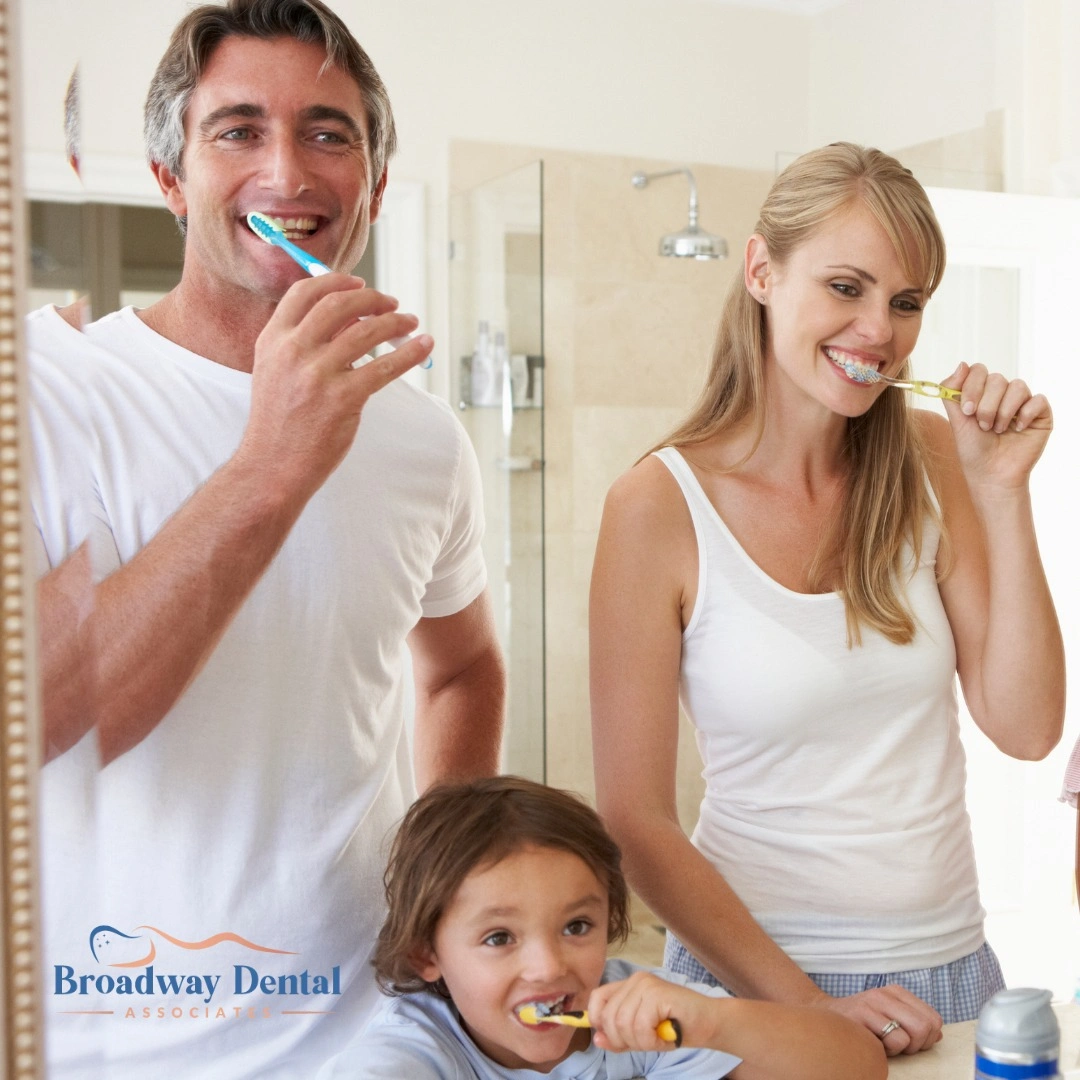
The American Dental Association recommends brushing your teeth twice a day with fluoride toothpaste and cleaning between your teeth once a day.
The Cleveland Clinic backs this up, adding that you should brush for a full two minutes each time.
But let’s get specific about how to do it right:
Brushing with purpose. Two minutes feels longer than you think. Use a timer if you need to. Angle your brush at 45 degrees toward your gumline and use gentle, circular motions.
Don’t scrub back and forth like you’re sanding wood, that wears down enamel and pushes gums back.
Flossing that actually works. Curve the floss into a C-shape around each tooth and glide it under the gumline. If traditional floss is tricky, try floss picks, water flossers, or interdental brushes. Whatever works for you is better than skipping it.
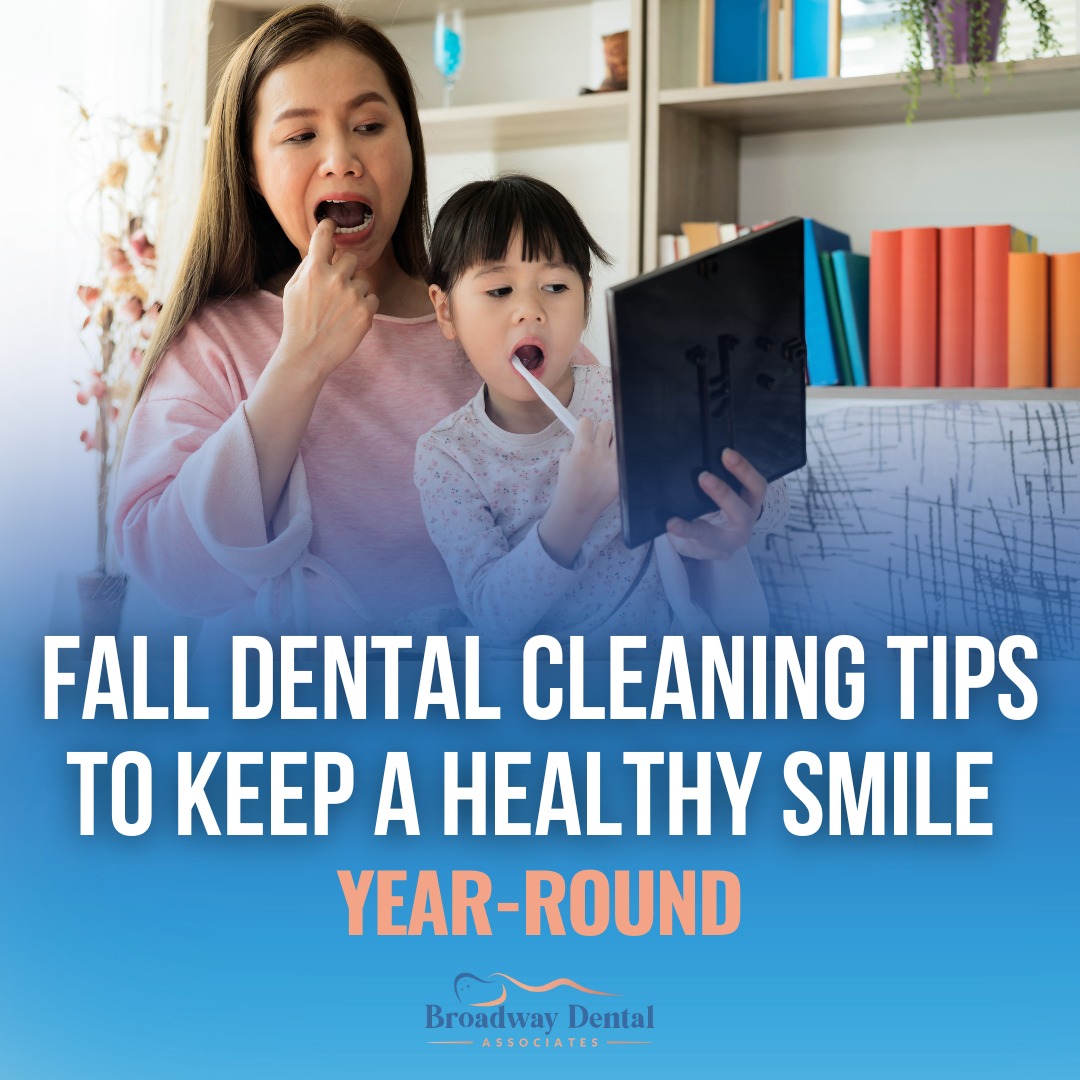
Replace your toothbrush every three months. Or sooner if the bristles look frayed. Fall is a great time to swap out old brushes and stock up on fresh supplies for the whole family.
Clean your tongue. Your tongue holds a ton of bacteria that cause bad breath. Gently brush it or use a tongue scraper.
Use mouthwash the right way. Choose an alcohol-free rinse with fluoride. And don’t rinse immediately after brushing, that washes away the fluoride your teeth need. Wait a few minutes.
The Secret Sauce: What You Do Between Cleanings
This is where the magic happens. Professional cleanings remove plaque and tartar buildup that your toothbrush can’t tackle. But your daily habits are what protect your enamel, strengthen your gums, and maintain that fresh, bright look.
A thorough cleaning helps remove plaque buildup and ensures your teeth and gums are in good shape heading into the colder months. But the real work happens at home.
Here’s a quick comparison to help you see the difference:
🍂 Daily Dental Habits for Fall
Simple routines to protect your smile through the autumn season
| Daily Habit | What It Does | Why It Matters for Fall |
|---|---|---|
| 🪥Brushing 2x daily for 2 minutes | Removes plaque from tooth surfaces | Prevents buildup that gets worse with dry mouth and sugary treats |
| 🧵Flossing once daily | Cleans between teeth where brushes can't reach | Removes trapped food from sticky fall candies |
| 💧Drinking water throughout the day | Keeps mouth moist, washes away acids | Counteracts dry indoor air and seasonal dehydration |
| 🍬Chewing sugar-free gum | Stimulates saliva production | Protects teeth when you can't brush after treats |
| 🌫️Using a humidifier | Adds moisture to indoor air | Prevents dry mouth while you sleep |
The research backs this up.
The National Institute on Aging emphasizes that brushing your teeth twice a day with fluoride toothpaste, flossing daily, and visiting your dentist routinely are the cornerstones of good oral health.
The CDC echoes this for children, brushing twice daily with fluoride toothpaste and helping kids develop good brushing skills sets them up for a lifetime of healthy smiles.
Why Fall Is the Perfect Time for Your Dental Visit
Here’s my friendly nudge: if it’s been more than six months since your last cleaning, now is the time to book.
Fall is a sweet spot for dental appointments. The summer rush is over. The holiday chaos hasn’t fully hit yet.
And getting your preventive care in before Thanksgiving and Christmas means you’re not scrambling in December when everyone else is trying to schedule appointments.
Most insurance plans cover two cleanings per year. If you haven’t used your second one, don’t let those benefits go to waste.
When you come in for your fall cleaning, here’s what we’ll do:
- Examine your teeth for cavities or damage. Catching issues early is always better, and cheaper, than waiting.
- Remove plaque and tartar. Even with great brushing, some buildup happens. We get it off so your gums stay healthy.
- Talk about seasonal concerns. Dry mouth, sensitivity, diet changes, we’ll address whatever’s on your mind.
And if you play fall sports? Let’s talk about mouthguards. Football, soccer, basketball, a mouth guard is essential for any contact sport. Don’t wait until after an injury to think about protection.
A Note on Nighttime Grinding
This might not be top of mind, but fall stress is real. School starts. Work gets busy. The holidays loom. And for many people, that stress shows up at night as teeth grinding or clenching.
Grinding wears down enamel, causes chips and cracks, and leads to jaw pain and headaches. If you wake up with a sore jaw or sensitive teeth, you might be grinding without realizing it.
A custom nightguard from your dentist can protect your teeth and save you from costly repairs down the road. It’s worth asking about at your next visit.
Putting It All Together
Here’s the bottom line: fall doesn’t have to be hard on your smile.
Stay hydrated. Watch your sugar intake. Brush and floss like you mean it. And don’t skip that dental appointment.
These fall dental cleaning tips to keep a healthy smile year-round aren’t complicated. They’re just consistent. And consistency is what separates a healthy smile from one that’s constantly playing catch-up.
At Broadway Dental Associates, we’re here to help you every step of the way. Whether you’re due for a cleaning, dealing with sensitivity, or just want to ask a few questions, I’d love to see you.
Let’s Keep Your Smile Bright This Fall
Your smile works hard for you every single day. It deserves a little attention, especially when the seasons change and new challenges pop up.
If you’re in Falls Church or anywhere in Virginia, give us a call at Broadway Dental Associates.
Schedule your appointment online or stop by our office. We’ll get you in for a cleaning, check your teeth, and make sure you’re set up for a healthy, happy smile all year long.
And if you’re worried about cost, we offer flexible payment plans to make care accessible. Your health shouldn’t wait.
Here’s to crisp air, colorful leaves, and a smile that shines through every season.