Table of Contents
Does Pregnancy Affect Teeth | Falls Church Dentist Explains
You’re expecting a baby. Congratulations! But between planning the nursery and choosing baby names, you might wonder about something that doesn’t make it into most pregnancy books: what’s happening to your teeth?
Pregnancy can significantly impact your gums and oral health conditions, but not in the way your grandmother might have warned you.
Let’s clear up the myths and give you the real story about protecting your smile during this amazing time.
The Real Connection Between Pregnancy and Your Teeth
Pregnancy creates a perfect storm of changes in your mouth. Your hormones are doing a complete makeover, your eating habits shift (hello, 2 AM pickle cravings!), and morning sickness might make you avoid your toothbrush altogether.
But here’s what we want you to know: Pregnancy itself usually doesn’t directly damage teeth, except in cases of frequent vomiting or severe acid exposure. Instead, it creates conditions that can increase your risk of dental problems if you’re not prepared.
Think of it like this, pregnancy is like turning up the volume on everything happening in your mouth. If you had minor gum irritation before, it might become more noticeable. If you occasionally skipped flossing, the consequences might catch up faster.
The good news? With the right approach, you can keep your smile healthy throughout your pregnancy and beyond.
Hormones: The Real Game Changers
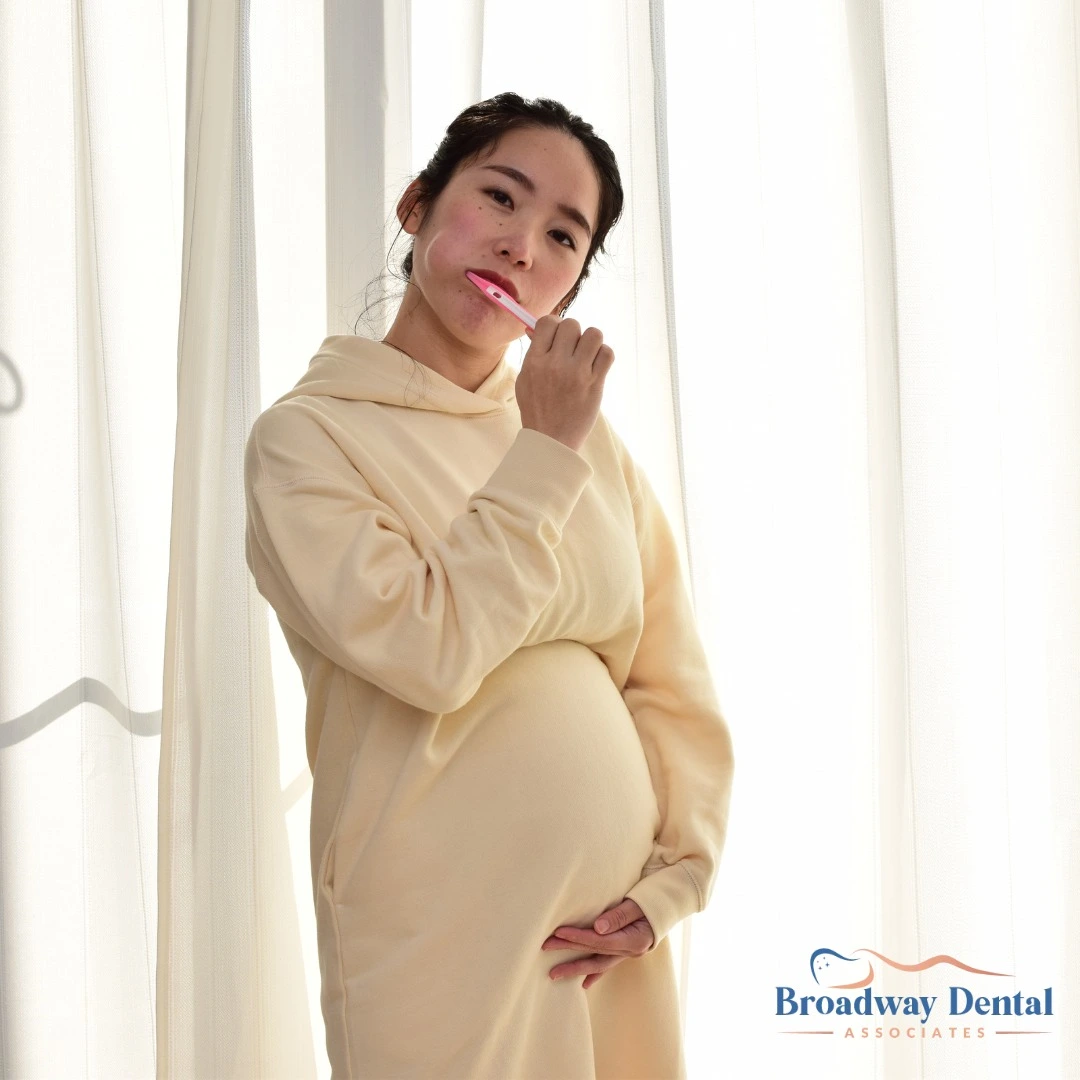
During pregnancy, your estrogen and progesterone levels rise dramatically, sometimes many times higher than usual! These hormonal changes affect every part of your body, including your mouth.
A lot of pregnant women develop pregnancy gingivitis, which typically starts around the second month and peaks during the eighth month.
Here’s what you might notice:
- Your gums feel tender or swollen
- Brushing causes more bleeding than usual
- Your gums look redder than normal
- You're more sensitive to plaque buildup
The frustrating part? Even if you’re brushing and flossing perfectly, your gums might still act up because of those hormone surges.
Don’t worry, this usually settles down after delivery when your hormone levels return to normal.
Will My Teeth Go Back to Normal After Pregnancy?
This is probably the question we hear most at our Falls Church dental clinic. The answer is reassuring: yes, your teeth and gums can absolutely return to normal after pregnancy. Most pregnancy-related dental changes are temporary visitors, not permanent residents.
However, and this is important, recovery depends on how well you care for your teeth during pregnancy. If you maintain a house well during a storm, it bounces back quickly. But if you let problems go unchecked, they can cause lasting damage.
The key factors for recovery include:
- Keeping up with daily brushing and flossing
- Not postponing dental treatments you need
- Eating a balanced diet rich in calcium and nutrients
- Following through with professional dental care
We’ve seen countless patients whose teeth and gums returned to their pre-pregnancy state (or even better!) by staying proactive about their oral health.
Can Pregnancy Change Teeth Permanently?
Pregnancy can lead to permanent changes, but only if dental problems go untreated. Pregnancy itself won’t permanently damage your teeth, but neglecting issues during this time can have lasting consequences.
For example, if pregnancy gingivitis progresses to periodontitis (serious gum disease), you could face permanent gum recession or tooth loss.
But here’s the reassuring part: this is completely preventable with proper care and regular checkups.
The key is treating pregnancy as a time to be extra vigilant about your oral health, not a time to let things slide.
Why Do Teeth Weaken After Pregnancy?
Here’s where we need to bust a major myth. You’ve probably heard someone say that “you lose a tooth for every baby” or that babies “steal calcium from your teeth.”
This is completely false.
Your baby does not draw calcium from your teeth. If your body needs extra calcium and you’re not getting enough from your diet, it pulls from your bones, not your teeth.
So why do some women experience weakened teeth after pregnancy?
Several factors come into play:
Morning sickness aftermath:
If you experienced severe nausea and vomiting, the stomach acid may soften tooth enamel over time.
Neglected oral care:
Between fatigue, toothpaste aversion, and everything else going on, some women’s oral hygiene routines suffer during pregnancy.
Dietary changes:
Pregnancy cravings often lean toward sugary or starchy foods, which feed the bacteria that cause tooth decay.
Reduced saliva:
Some women produce less saliva during pregnancy, reducing their mouth’s natural ability to wash away food particles and neutralize acids.
Can Breastfeeding Affect Mother's Teeth?
Absolutely, and this often catches new mothers by surprise. While everyone focuses on pregnancy’s effects on teeth, breastfeeding brings its own set of challenges for your oral health.
Dental Challenges: Pregnancy vs. Breastfeeding
| Challenge | During Pregnancy | During Breastfeeding |
|---|---|---|
| Hormonal fluctuations | High estrogen/progesterone | Continued hormonal changes |
| Dietary patterns | Cravings, morning sickness | Irregular eating, frequent snacking |
| Oral hygiene | May be neglected due to nausea | Often rushed due to time constraints |
| Calcium needs | Increased for fetal development | 300-400mg daily for milk production |
Breastfeeding mothers face unique challenges:
Your body produces about 300-400mg of calcium daily for breast milk production. While this doesn’t directly affect your teeth, inadequate calcium intake can impact your overall oral health.
Many breastfeeding mothers develop irregular eating patterns, grabbing quick snacks between feedings or eating more frequently.
Unfortunately, frequent snacking (especially on sugary foods) creates an ideal environment for cavity-causing bacteria.
The ongoing hormonal changes during breastfeeding can continue to make your gums more sensitive and prone to inflammation, similar to pregnancy gingivitis.
Why Are My Teeth So Sensitive After Pregnancy?
Tooth sensitivity after pregnancy is incredibly common, and there are several reasons why this happens:
Enamel erosion:
If you experienced morning sickness, repeated exposure to stomach acid may have softened your tooth enamel, leading to sensitivity when you eat or drink hot, cold, sweet, or acidic items.
Gum changes:
Pregnancy hormones can cause slight gum recession, exposing more sensitive root surfaces of your teeth.
Calcium and nutrient depletion:
While your baby doesn’t steal calcium from your teeth, if your overall nutrition was compromised during pregnancy, it might affect your oral health.
Ongoing hormonal effects:
If you’re breastfeeding, continued hormonal fluctuations can maintain tooth sensitivity.
The good news is that sensitivity often improves with time and proper care. Using a sensitive teeth toothpaste, avoiding extremely hot or cold foods, and maintaining excellent oral hygiene can help manage discomfort.
How to Protect Your Teeth While Breastfeeding
Protecting your oral health while breastfeeding requires a slightly different approach than during pregnancy. Here’s what we recommend to our patients in Falls Church:
Maintain consistent oral hygiene:
Even when you’re exhausted from midnight feedings, try to brush twice daily and floss once daily. Keep travel-sized toothpaste and a toothbrush accessible for quick touch-ups.
Watch your snacking habits:
Breastfeeding can make you incredibly hungry, but try to choose tooth-friendly snacks like cheese, nuts, fruits, and vegetables instead of sugary or starchy options.
Stay hydrated:
Drinking plenty of water helps maintain saliva production, which naturally cleanses your mouth and fights bacteria.
Don’t skip dental appointments: Many women postpone dental care while breastfeeding, but routine cleanings and checkups are perfectly safe and important for maintaining oral health.
Want to learn more about our team? Meet our experienced dentists who specialize in caring for pregnant patients and families in Falls Church and throughout Virginia.
Can Pregnancy Cause Calcium Deficiency in Teeth?
This question stems from persistent myths about pregnancy and calcium. Pregnancy doesn’t cause calcium deficiency in teeth, but understanding how calcium works during pregnancy can help you make informed decisions.
During pregnancy, you need around 1,000–1,300 mg of calcium daily, depending on your age, to support both your health and your baby’s development.
If you don’t consume enough calcium through your diet, your body will draw from your bone stores, not your teeth.
Your teeth are not a calcium reservoir that your body taps into during pregnancy.
However, calcium deficiency can indirectly affect your oral health by impacting the jawbones that support your teeth. Signs of calcium deficiency might include:
- Muscle cramps
- Brittle nails
- Fatigue
- Increased tooth sensitivity
- Gum problems
How Common Is It to Lose Your Teeth During Pregnancy?
Actual tooth loss during pregnancy is much less common. The persistent myth that “you lose a tooth for every baby” has no scientific basis.
A lot of women believe this myth, but it’s simply not true.
What increases tooth loss risk during pregnancy:
- Untreated dental problems before conception
- Poor oral hygiene during pregnancy
- Severe, untreated morning sickness
- Avoiding dental care during pregnancy
- Pre-existing gum disease
The takeaway? Dental problems during pregnancy are common, but tooth loss is preventable with proper care.
How to Protect Your Teeth During Pregnancy
Protecting your teeth during pregnancy isn’t complicated, but it does require consistency and the right approach. Here’s our comprehensive guide based on years of treating expectant mothers in Falls Church:
Before Getting Pregnant
If you’re planning to conceive, schedule a comprehensive dental exam and cleaning first. Address any existing problems, like cavities or gum disease, before pregnancy begins.
This gives you a clean slate and reduces the risk of complications during pregnancy when treatment options might be more limited.
During Pregnancy: Your Daily Routine
Morning routine:
Use a soft-bristled toothbrush with fluoride toothpaste. If morning sickness makes brushing difficult, try switching to a different toothpaste flavor or brushing at a different time.
After eating:
Rinse your mouth with water, especially after consuming sugary or acidic foods. This helps neutralize acids and wash away food particles.
Before bed:
Always brush and floss before sleeping. Bacteria are most active at night when saliva production decreases.
After vomiting:
If morning sickness strikes, resist the urge to brush immediately. Instead, rinse with water first, wait 30-60 minutes, then brush. This prevents brushing softened enamel away.
Professional Care During Pregnancy
Continue regular checkups: Most routine dental care is safe during pregnancy when done with proper precautions. In fact, we recommend it! The second trimester is often the most comfortable time for longer procedures.
Address problems promptly: Don’t postpone necessary treatments. Untreated dental infections can actually be more risky than the treatments themselves.
Communicate with us: Always let us know you’re pregnant and which trimester you’re in. This helps us tailor your care appropriately.
Managing Pregnancy-Specific Challenges
Gum tenderness:
Use an extra-soft toothbrush and be gentle, but don’t skip brushing. Gentle, consistent care is better than avoiding the area altogether.
Food aversions:
If you can’t tolerate your usual toothpaste, experiment with different flavors or try a natural, unflavored option.
Pregnancy tumors:
These non-cancerous gum growths might look scary, but they’re usually harmless and often disappear after delivery. However, let us monitor them to ensure they don’t interfere with your daily activities.
Your Next Steps
If you’re pregnant or planning to become pregnant, don’t let myths and misconceptions keep you from getting the dental care you need.
At Broadway Dental Associates, we understand the unique challenges pregnancy brings to oral health.
Ready to protect your smile during pregnancy? Schedule your appointment with our Falls Church dental team today.
Whether you need a routine cleaning, have concerns about pregnancy gingivitis, or want to discuss the safest treatments during pregnancy, we’re here to help.
Remember, taking care of your teeth during pregnancy isn’t vanity, it’s an investment in your health and your baby’s future.
Need emergency dental care during pregnancy? Our emergency dentistry services are available when you can’t wait for a regular appointment. Don’t let dental pain or problems go untreated during this important time.
Concerned about costs? We offer flexible payment plans to help make quality dental care accessible during pregnancy and beyond.
Your smile is worth protecting, and we’re here to help you do exactly that during one of life’s most exciting chapters.